Selecting Chemical Surfactants for High-Performance Industrial Formulations
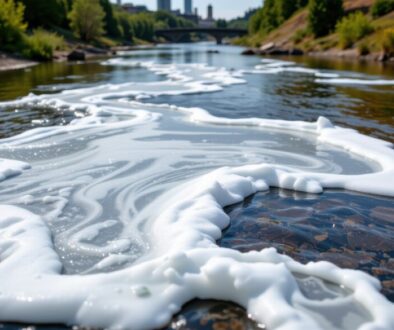
Walk into any industrial plant that mixes paints, coatings, agrochemicals or textile treatments and you will hear the same complaint. The formula looks good on paper. The ingredients are quality. But when it hits production, something goes wrong. The mixture separates. It foams too much. It does not wet the surface the way it should. In most cases, the problem traces back to one thing: the chemical surfactants chosen at the start.
Surfactants are the workhorses of any industrial blend. They lower surface tension, help one liquid mix with another and control how a formula spreads or penetrates. But picking the right one is the difference between a batch that runs clean and a batch that clogs up the line comes down to matching the surfactant chemistry to your specific manufacturing setup, your water quality and your application method.
What Chemical Surfactants Actually Do in a Formula
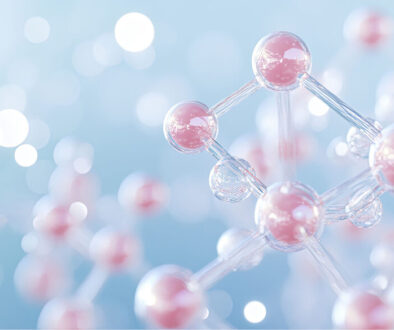
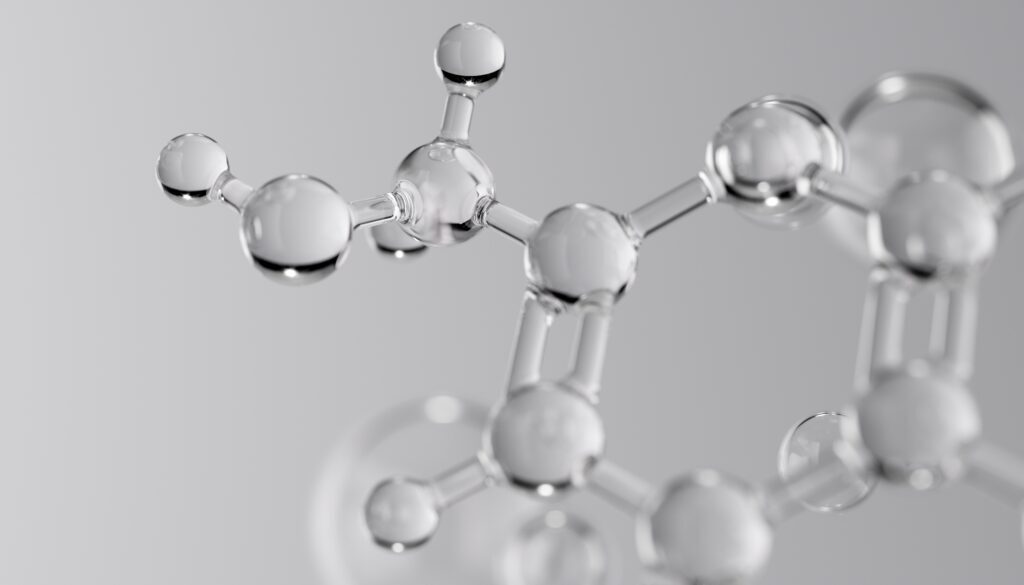
A surfactant molecule has two ends. One end is attracted to water while the other end is more soluble in oil or dirt. That dual nature is what lets a surfactant break down surface tension and allow mixing that would not happen naturally. In an industrial setting, that translates to three main jobs.
First, wetting. The surfactant helps a liquid spread across a solid surface evenly. The liquid beads up and leaves dry spots without it. Second, emulsifying. The surfactant keeps oil-based droplets suspended in water so the mixture does not separate on the shelf. Third, dispersing. It holds solid particles in suspension, so they do not settle out at the bottom of the tank.
Each application may need a different type of surfactant. Nonionic surfactants having no charge are very versatile and can be easily manufactured with a specific function in mind – emulsification, wetting, dispersing, compatibilization etc. Anionic surfactants carry a negative charge and perform well in hundreds of applications but can function poorly in hard water. Cationic surfactants carry a positive charge that can complex onto negatively charged surfaces, making them excellent candidates for fabric softeners, yielding hand modification characteristics, antistatic properties and biocidal functionality.
How HeiQ ChemTex Approaches Surfactant Selection
Most companies sell surfactants off the shelf. You pick a bottle from a catalog and hope it works. HeiQ ChemTex investigates the system to determine exactly what properties the end user is looking for.
What’s your water source? Well water will react with some surfactants and leave residue if it has high mineral content. What’s your application method? A spray system needs low foam characteristics, while a pad or dip application must have good wetting properties. What temperature does your process run at? Some surfactants break down or invert their behavior when the temperature crosses a certain point. Knowing this information helps us figure out how to design the molecule to alleviate this issue.
We take those answers and match them to a surfactant chemistry that fits. Sometimes that means a straight nonionic ethoxylate. Sometimes it means a blend of two or three different surfactant types to get the wetting, stability and foam profile you need. We have built surfactant systems for paint manufacturers dealing with titanium dioxide settling. We have helped agrochemical mixers keep herbicides suspended in hard Midwestern well water. And we have worked with textile finishers who needed a wetting agent that would not create foam inside a closed-loop padder.
Real-World Results from the Right Surfactant Choice
A coating manufacturer came to us with a problem. Their water-based primer was separating in the bucket after two weeks on the shelf. The dispersant they were using could not handle the high loading of calcium carbonate filler. We tested three different anionic and nonionic blends, settled on a combination that held the filler in suspension for six months and cut their reject rate from eight percent to under one percent.
Another customer running a continuous spray line for metal cleaning had foam blowing out of their tank and onto the floor. Their safety team was unhappy and their operators were slipping, so we swapped their high-foam surfactant for a low-foam nonionic block copolymer. The foam disappeared and the cleaning performance stayed the same. And they stopped losing production time to clean up the spilled foam.
Getting It Right the First Time
You do not need to test fifty surfactants to find the one that works for your line. You need a partner who has already run those tests and knows what fits where. HeiQ ChemTex keeps a library of surfactant chemistries including ethoxylates, propoxylates, phosphate esters, sulfosuccinates and specialty blends. We match the chemistry to your water, your fillers, your application equipment and your end-use requirements.
If your current chemical surfactants are causing separation, foaming or poor wetting, talk to us. We will look at your process, run a few quick trials and hand you a surfactant system that runs clean on day one.